Product seeding means sending your product to creators for free, hoping they try it, like it, and talk about it — with no payment and usually no obligation to post. It is the cheapest form of creator collaboration and the least controlled: done well, it earns authentic mentions and reusable content; done as mass mailing, it buys silence. The parts you control are recipient fit, the package, the brief, and disclosure expectations, and those parts decide the outcome.
This guide describes common practice for small brands and creators. Disclosure of gifted product is a regulated area: in the United States, the Federal Trade Commission treats free product as a material connection that generally must be disclosed when a creator endorses you, and this article describes that practice rather than giving legal advice. Requirements in other countries differ.
Why does seeding work when it works?
Seeding borrows the credibility of a genuine first impression. Because the creator chose to accept the product and is free to dislike it, an enthusiastic post reads as opinion rather than advertising — which is exactly why regulators require the relationship to be disclosed anyway. The mechanism is trust, and every part of your campaign either feeds that trust or spends it.
What seeding is good for, and what it is not:
- Good for: awareness in a specific niche, authentic usage content, early social proof, relationship-building before paid deals.
- Not good for: guaranteed volume, launch-date timing, controlled messaging, or turning a weak product into a good one.
That last point is the honest limit. Seeding amplifies what the product already is. If nobody who tries it voluntarily mentions it, the campaign has told you something about the product, not about the creators.
How do you choose whom to seed?
Fit beats follower count, every time. A creator whose audience matches your buyer at five thousand followers outperforms a generalist at two hundred thousand, because usage looks natural in one feed and alien in the other. Look for creators who already post the category, whose comment sections show real buyers, and whose aesthetic your product genuinely belongs in.
A shortlist process that scales:
- Define the audience you want in one sentence, including what else they buy.
- Collect twenty to thirty creators who already serve that audience in your category.
- Rank by engagement quality — comments and saves, not raw reach.
- Check that they disclose existing partnerships properly; it predicts how they will treat yours.
- Start with five to ten sends, not fifty.
That final number is deliberate. A small first round teaches you what the package, the brief, and the follow-up need to be. Seeding is a repeatable system once the first batch works, and spam before then just burns your product budget and your reputation in a niche where creators talk to each other.
What goes in the package and the note?
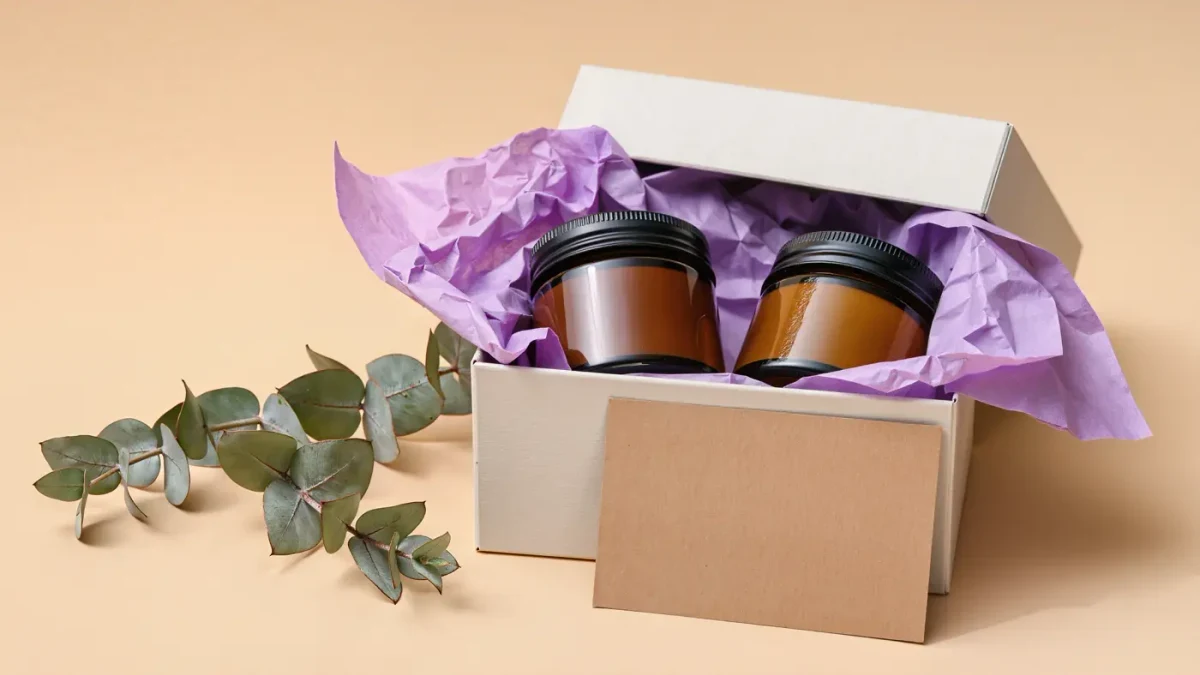
The unboxing is the campaign. It should feel like a gift from a brand that understands the creator's work, not a shipment from a warehouse: the product itself, anything needed to use it immediately, and a short handwritten-style note. The note is where expectations are set — and where the legal ground is prepared — by stating clearly that there is no obligation to post and that any mention should disclose the product was gifted.
Contents that earn their place:
- The product, obviously, in perfect condition.
- One or two supporting items that make first use effortless.
- A personal note referencing their content — specific, not flattery.
- A card with your handle, contact, and a simple line about gifting and disclosure.
- Nothing that implies a quid pro quo: no contracts, no posting requirements.
The moment your note demands a post in exchange for the product, you have left gifting and entered barter endorsement territory, which carries the same disclosure expectations as paid promotion and, in the FTC's framing, still generally requires clear disclosure. Keep seeding genuinely obligation-free, both because it is cleaner practice and because the resulting content is better.
How is gifted content disclosed?
The rule creators apply is simple to state: if you got the product for free, say so, visibly, before the endorsement. The FTC's influencer guidance gives concrete wording — phrases like "gifted by [brand]" or "[brand] sent me this free" — and expects the disclosure where the audience will see it without hunting: on screen early in a Reel, at the start of a caption, not buried under a fold of hashtags.
How a brand supports good disclosure:
- State the disclosure expectation in the note and in any follow-up conversation.
- Suggest wording rather than demanding it verbatim.
- Use the platform's paid-partnership label where the relationship qualifies, in addition to the creator's own words.
- Never ask a creator to hide the gift — that request is the scandal, not the gift.
Brands have been called out publicly for exactly that pressure, and the reputational cost dwarfs any benefit of an undisclosed mention. A seeded campaign that discloses cleanly is worth more than a louder one that ends in an apology post.
How do you measure a seeding campaign?
Seeding's returns are partly unmeasurable — goodwill, relationships, content you may license later — so measure what is countable and accept the rest as atmosphere. Countable outputs: posts and stories published, quality of the content, engagement on mentions, traffic and sales during the mention window, and content you are permitted to reshare. Set a modest target before shipping: of ten sends, a few genuine posts is a normal, healthy result.
A simple tracking sheet per campaign:
| What to log | Why |
|---|---|
| Sends, delivery dates | Timing and logistics |
| Posts published and links | Output rate |
| Engagement per mention | Resonance with their audience |
| Permission to reshare | Content library value |
| Sales or traffic in mention windows | Commercial signal |
For resharing, permission is not optional: ask the creator before reposting their content to your channels, and keep the permission on file. The creators who post once and are treated well become the ones who post again, mention you unprompted in six months, and say yes when you later have a budget.