Pricing a digital product well means charging for the outcome it delivers rather than the hours it took to make. Because digital goods have near-zero marginal cost, the constraint is not production but perception: what the buyer believes the result is worth, compared with the alternatives they can see. A workable method combines a value anchor, a tier structure, and scheduled revisits — with real numbers tested against your own audience rather than copied from anyone else's launch.
The examples below describe method, not promised outcomes, and platform payment features referenced here change over time, so confirm current terms with the services you use.
What makes pricing digital products different?
Physical products anchor pricing to cost: materials, labor, shipping, a margin. Digital products break that anchor, which is disorienting until you replace it. Your costs are concentrated up front — production, software, support time — and each additional sale costs almost nothing. That math means small changes in price move profit far more than small changes in volume, and it means your competitor's price tells you little about what your version is worth.
Three consequences follow:
- Cost-plus pricing is nearly meaningless; buyers never see your production costs.
- Value is anchored by outcomes: time saved, problem solved, skill gained.
- Segmented versions of the same product can serve different willingness to pay.
The practical shift is from "what did this cost me?" to "what is this worth to the specific person who needs it?" A preset pack that saves a wedding photographer an hour per shoot is priced against that hour, not against the file size.
How do you find a starting price?
Start with three reference points, then pick a number deliberately below your ceiling. First, the outcome value: what the product replaces or earns for the buyer in time or money. Second, the visible alternatives: courses, tools, or done-for-you services that solve the same problem, which the buyer will compare you against whether you like it or not. Third, your audience's demonstrated range: what they already pay for comparable things from you or from creators they trust.
A starting-price routine:
- Write one sentence naming the buyer and the outcome.
- Estimate the value of that outcome in the buyer's terms — hours, money, avoided mistakes.
- List the closest three alternatives and their prices.
- Pick a price you can defend out loud without flinching.
- Sell to a small first group and watch objections, not just sales.
Objections are the data. "I can't afford this right now" from many buyers signals a price above the audience's range; silence on price but hesitation to buy signals a value-communication problem, which is a copywriting task, not a discount task.
Should you offer tiers?
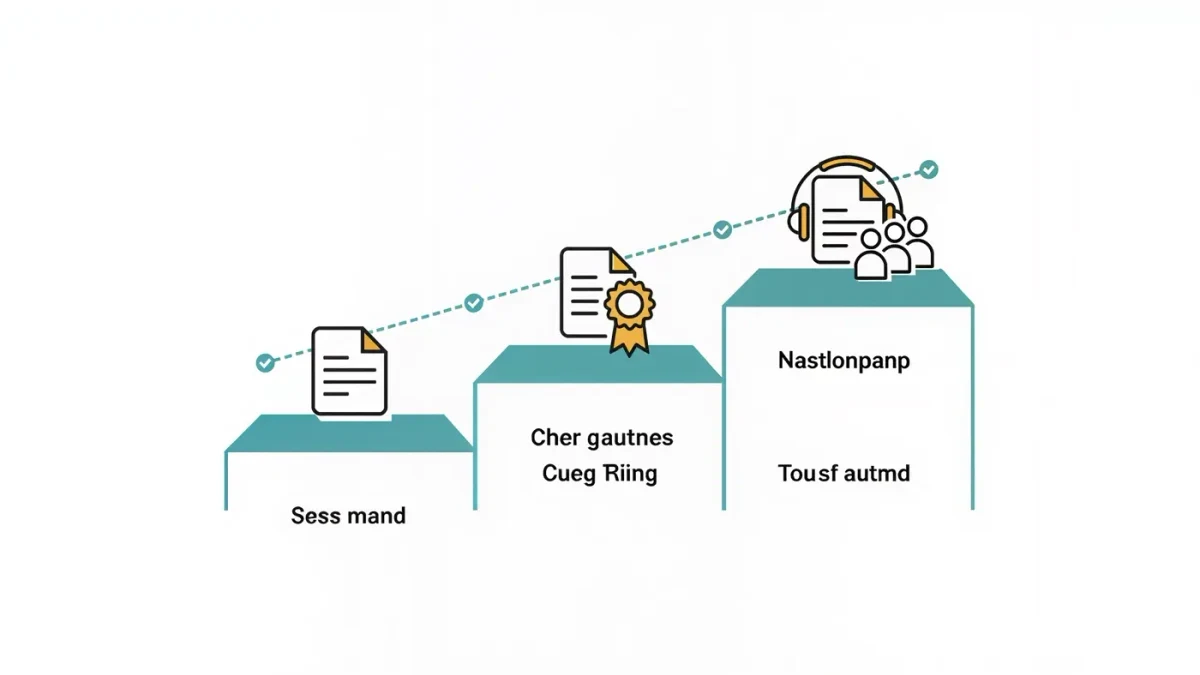
Tiers work for digital products because the same core asset can honestly exist at different depths. The classic three-level shape — basic, complete, expanded — lets price-sensitive buyers in the door while giving invested ones something better to choose, and it reframes your middle option as the sensible default. The rule that keeps tiers honest is that each level must be a real product, not a crippled version of the one above it.
A shape that usually holds up:
| Level | Contains | Priced for |
|---|---|---|
| Entry | The core asset alone | First-time buyers, low-risk trial |
| Standard | Core asset plus the obvious companion | Most buyers; your anchor |
| Premium | Everything plus support or community | Few buyers, higher commitment |
Two cautions. Too many tiers paralyze; three is usually the ceiling for a solo creator. And the premium tier, if it includes your time, should be priced against your actual capacity — selling twenty hours of support you do not have is a refund generator.
How do launch pricing and raises work?
Discounted launch pricing is a tool for gathering testimonials and early feedback at scale, not a permanent apology for imperfection. The honest structure is a stated founding price with a clear end date, followed by the full price. Buyers respond to deadlines they believe; a "launch price" that never ends teaches your audience that waiting is free.
Raising prices works the same way in reverse:
- Announce the change in advance with a date.
- Tie the increase to something real: more content, more support, a new module.
- Hold the old price for existing customers on renewals where applicable.
- Raise, then hold long enough to observe the effect before moving again.
The fear that a raise will kill sales is usually larger than the effect, but the honest test is your own data at your own volume. The failure mode to avoid is chronic underpricing sustained by fear: a price you resent quietly undermines how you describe the product, and buyers can hear it.
How do platform fees fit into the decision?
Whatever you charge, the price a buyer pays is not the number you keep. Payment processing, platform commerce fees, and transaction costs come out before the money reaches you, and they differ across storefronts, app-store billing, and direct checkout options available to creators. The pricing habit that survives this reality is simple: set your list price for the buyer's perception of value first, then check what each sales channel actually nets you, and adjust channel mix — not the value story — where the take is unsustainable.
Questions worth answering per channel:
- What percentage does the channel take, and are there fixed per-transaction costs?
- When does the money arrive, and in what currency?
- Who handles refunds, disputes, and tax documentation?
Because fee schedules change, verify current terms with each service directly rather than relying on older articles. A price built on last year's fee structure quietly erodes.
What mistakes keep creators underpricing?
Most underpricing is psychological, not analytical. Creators price against their own willingness to pay — which is anchored to being broke at the start — instead of their buyer's. They also compare against the loudest cheap option in their niche while ignoring that the buyer compares against total alternatives, including doing nothing or hiring a human. And they treat early audience size as a ceiling on price, when the two are only loosely related: a small, specific audience often pays more for depth.
Patterns worth breaking:
- Pricing by length: a 40-page guide is not automatically worth less than a 200-page one.
- Permanent sales, which reset the reference price to the discount.
- Competing with free, instead of selling speed, structure, and support.
- Never testing, which means never learning what the audience actually tolerates.
The last one is decisive. Pricing is a hypothesis, and every launch is a test. Creators who revisit price quarterly, with notes on objections and conversion, converge on numbers that feel almost uncomfortable — and sell anyway.