
Topic
UGC vs. Influencer Content: What Brands Should Buy
UGC buys reusable assets; influencer posts rent an audience. A cost-and-conversion comparison for brands, with the disclosure rules that cover both.
UGC buys reusable assets; influencer posts rent an audience. A cost-and-conversion comparison for brands, with the disclosure rules that cover both.

Ten documented campaign formats, from nano partnerships to shoppable Reels, and what each one is built to do.

What actually makes a brand partnership work, from picking the right partner to measuring what happened.

Usage rights, exclusivity and deliverables clauses decide what a brand deal actually pays for — and what it costs you later.
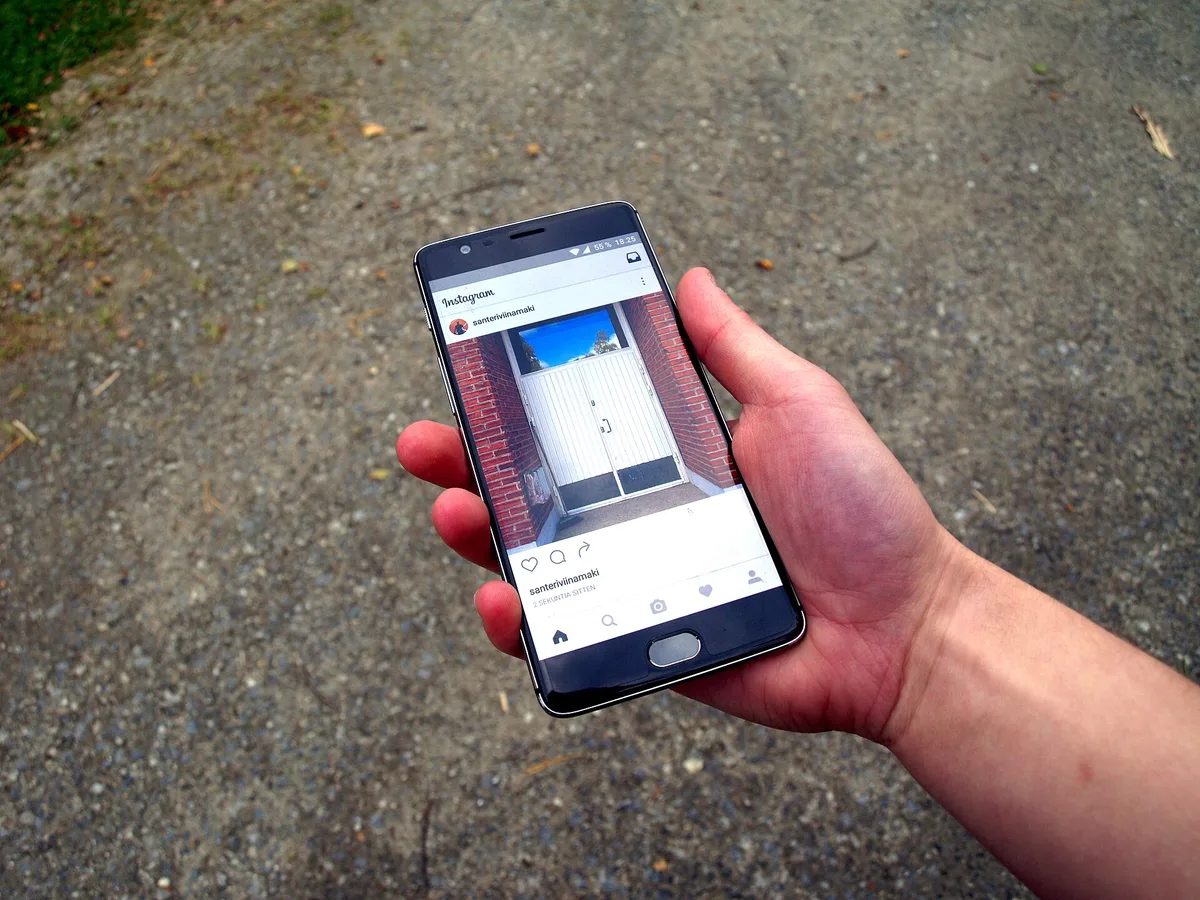
The safe list is short: the official app, the web, and permitted integrations. Why modded clients risk the account, and what to use instead.

Influencer marketing rates run from about $10 per small Instagram post to $50,000 or more per major YouTube video, per Influencer Marketing Hub's 2026 benchmarks, with format, usage rights, and exclusivity moving every quote.

Caption writing basics for Instagram: first lines, length, FTC disclosure rules for brand deals, and calls to action that respect the reader.

Every official Instagram support channel mapped: the Help Center, in-app reporting, the Meta AI support assistant, and Meta Verified human support.

How YouTube, Meta, and TikTok pay creators compared: ad revenue shares, invite-only bonuses, gifts, and subscriptions, with the eligibility rules each platform set as of October 2026.

How to read Instagram algorithm changes from official announcements, what ranking signals mean, and how to check your account's recommendation status.