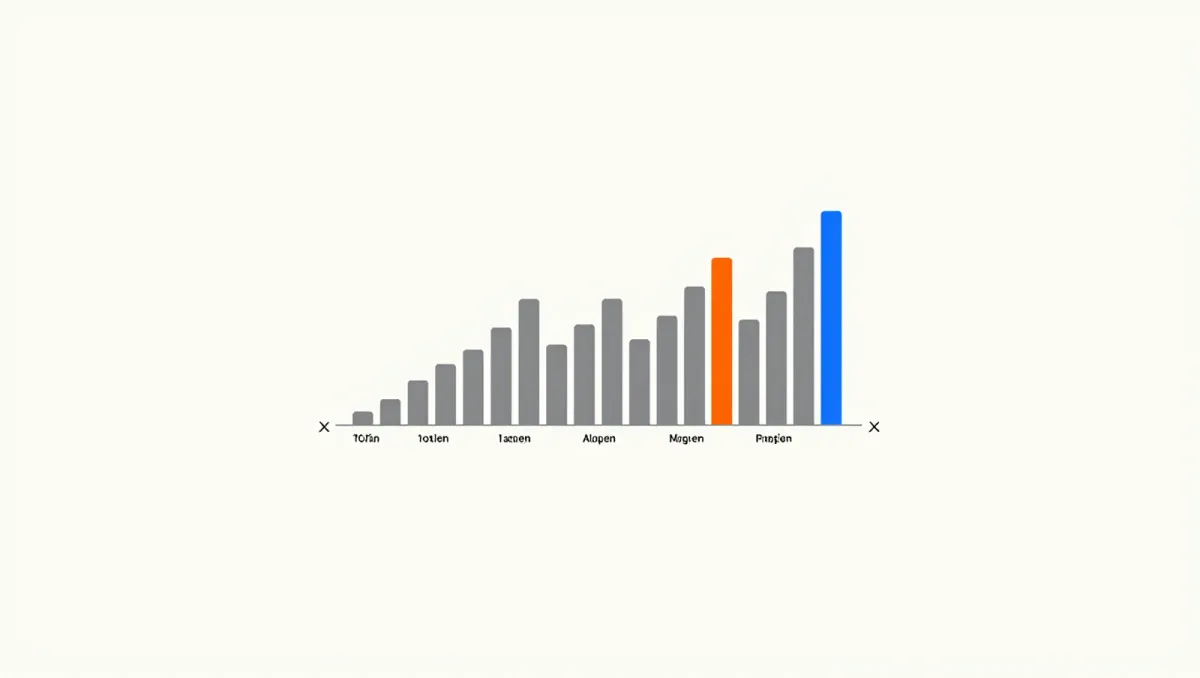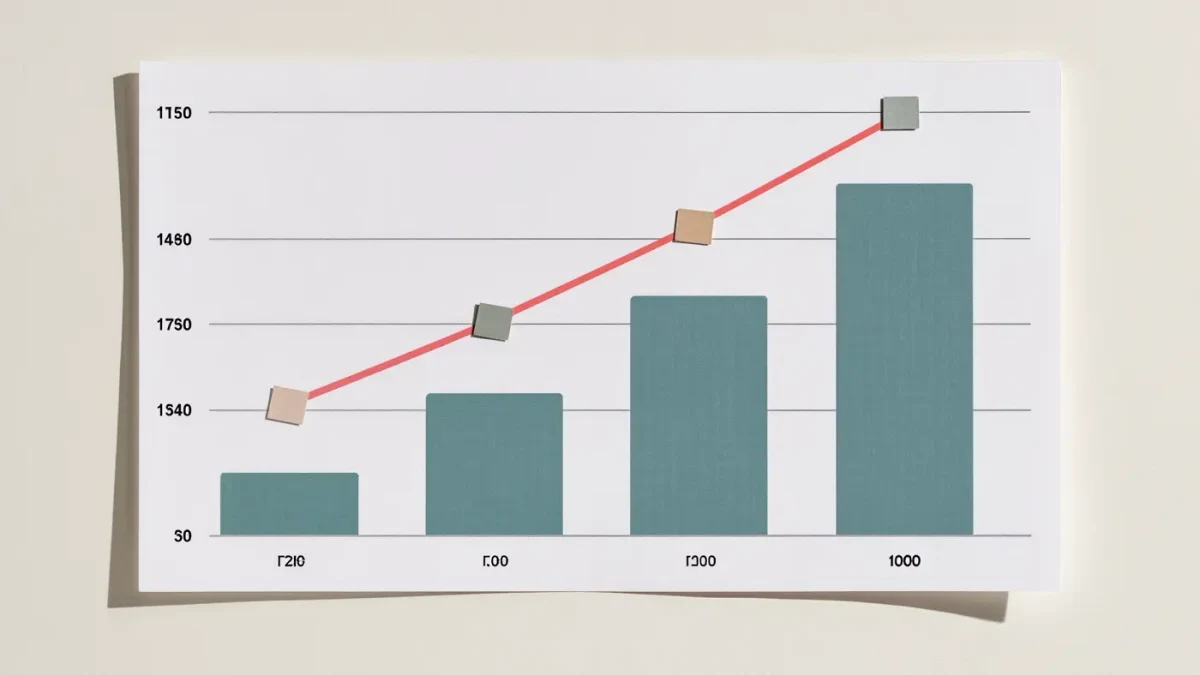
Meta reported fourth-quarter 2025 advertising revenue of $58.1 billion, up 24 percent year over year, according to the company's results published January 28, 2026. Ad impressions grew 18 percent while the average price per ad rose 6 percent, and full-year 2025 revenue reached $200.97 billion. For Instagram advertisers, the pricing line matters more than the headline: more inventory and higher prices arrived together.
What drove the quarter?
Meta attributed the gains to AI-driven improvements in ad delivery and recommendations, which lifted conversion rates during the holiday shopping period. The company has spent heavily on that machinery, and total costs and expenses rose about 40 percent year over year. Advertisers effectively fund that buildout through auction prices, which is why average price per ad keeps climbing even as Meta serves more impressions.
Why should an Instagram marketer care?
Rising price per ad with rising impressions signals healthy demand — more brands are buying, and auctions are clearing higher. For a small business, that means benchmarks set a year ago understate today's costs. If your cost per acquisition crept up through late 2025, the auction explains part of it, and creative quality explains the rest, since Meta's delivery models reward ads that earn engagement with cheaper distribution.
How to respond to higher CPMs?
- Rebenchmark: pull your Q4 2024 and Q4 2025 cost per thousand impressions side by side before judging campaign performance.
- Shift measurement to value — track cost per purchase or per lead rather than cost per reach.
- Freshen creative monthly; AI delivery widens the gap between strong and weak ads.
- Test Advantage+ placements so delivery can find cheaper inventory across Meta's surfaces.
Is the growth sustainable?
Analysts flagged the spending side: Meta's capital expenditure guidance keeps rising, and the market now watches whether ad revenue growth outruns that investment. For advertisers, the practical read is that Meta has every incentive to keep ad prices firm in 2026. Budgeting for mid-single-digit price inflation, rather than assuming 2025 costs, is the safer planning baseline for Instagram campaigns this year.
The detail most roundups skipped: impressions grew 18 percent, which means Meta found new places to put ads — Threads and expanded Reels inventory among them. Cheaper impressions often live in the newest placements, so advertisers who exclude them manually pay a premium for the familiar ones.