Meta started applying its updated privacy policy on December 16, 2025, which allows the company to use public posts and voluntary Meta AI conversations to train its AI models in some regions. For Instagram creators, the practical consequence is simple: public Reels, captions and comments can become training data unless you submit an objection form, while private direct messages remain outside the program, per Meta's policy pages as of December 2025.
What exactly changed on December 16?
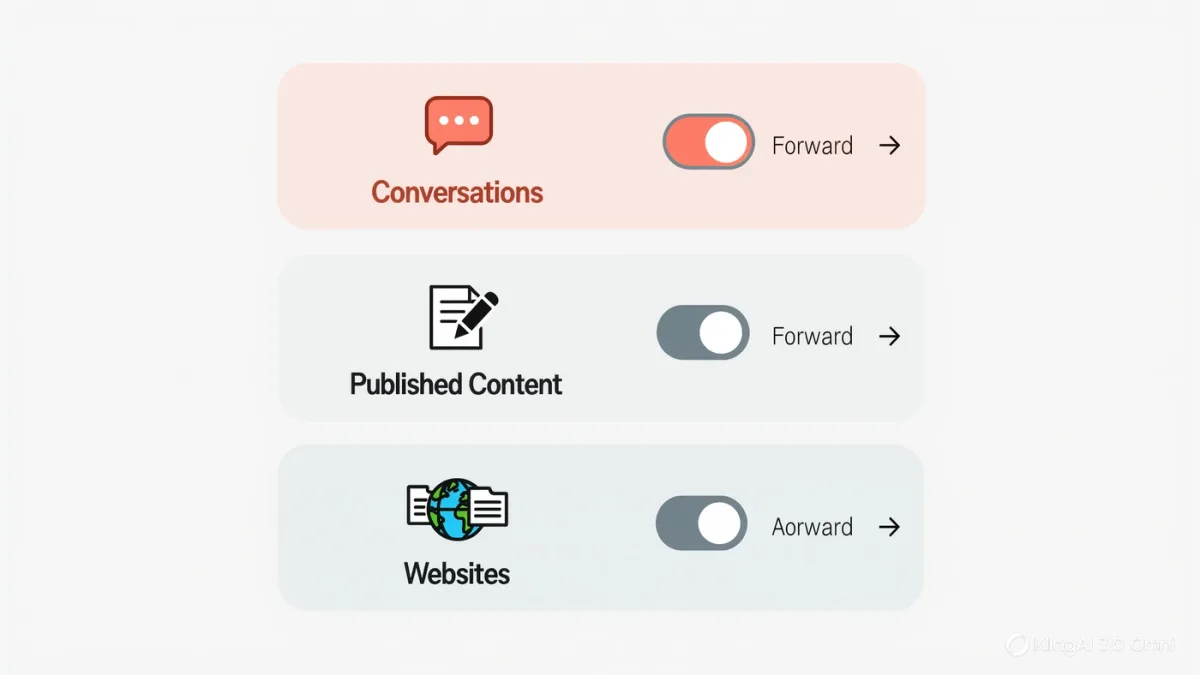
Meta's update, first announced in late 2025, covers two data sources: public Facebook and Instagram content, and chats people start voluntarily with Meta AI. It does not include private DMs between people, a distinction Meta repeated after viral posts claimed otherwise. Fact-checkers, including Snopes in November 2025, confirmed the widely shared claim that Meta would read direct messages was a misreading of the policy.
How does this affect creators specifically?
Creators publish for reach, which means almost everything a professional account posts is public by default. That makes working creators the group with the most content in scope, unlike casual users whose feeds are mostly private. The BBC reported broad criticism of Meta's earlier plans to train AI on public posts, and regulators in several regions forced Meta to delay or adjust the rollout, so availability of the data use varies by country. If you build an audience in the EU or UK, your exposure may already be limited by those interventions; in the US the objection form is the main tool available.
Can you opt out, and does it matter?
Yes, but only partially. The objection form, available through account settings, asks Meta to exclude your content from future AI training. Meta has said it will review objections, though it has not promised immediate removal of data already processed. The detail most coverage skipped: objecting does not reduce your reach, visibility or monetization eligibility in any documented way, so there is no growth penalty for filing one. Creators who work with brand partnerships should also note that licensed content, such as sponsored posts produced under contract, may have separate terms set by the advertiser rather than by Meta's policy alone.
What should you do this week?
- Open Settings, then Privacy, then the AI data-use section, and file the objection form for each account you run.
- Audit which posts are public versus followers-only, especially older Reels that still get distribution.
- If you manage client accounts, ask for written direction on the objection form before filing on their behalf.
The policy is unlikely to be the final word. Legal challenges and regulatory reviews were still open as of early January 2026, and Meta has adjusted similar programs before under pressure. Treat the objection form as routine account hygiene, revisit it each quarter, and check the policy page before assuming anything about your archive.